4
Budapest 150
Paying tribute to the capital’s 150th anniversary jubilee, the Hungarian National Philharmonic will repeat that same programme on the exact same date of the earlier event, and at the same venue.
Paying tribute to the capital’s 150th anniversary jubilee, the Hungarian National Philharmonic will repeat that same programme on the exact same date of the earlier event, and at the same venue.
Ön egy múltbeli eseményre keresett rá. Kérjük, válogasson aktuális kínálatunkból a Jegy.hu keresőjében!
Last event date: Sunday, November 19 2023 7:30PM
BUDAPEST 150
Program:
ERNST VON DOHNÁNYI: Festival Overture, op. 31
BÉLA BARTÓK: Dance Suite, Sz. 77, BB 86
***
ZOLTÁN KODÁLY: Psalmus Hungaricus
István Horváth tenor
Hungarian National Choir (Choirmaster: Csaba Somos)
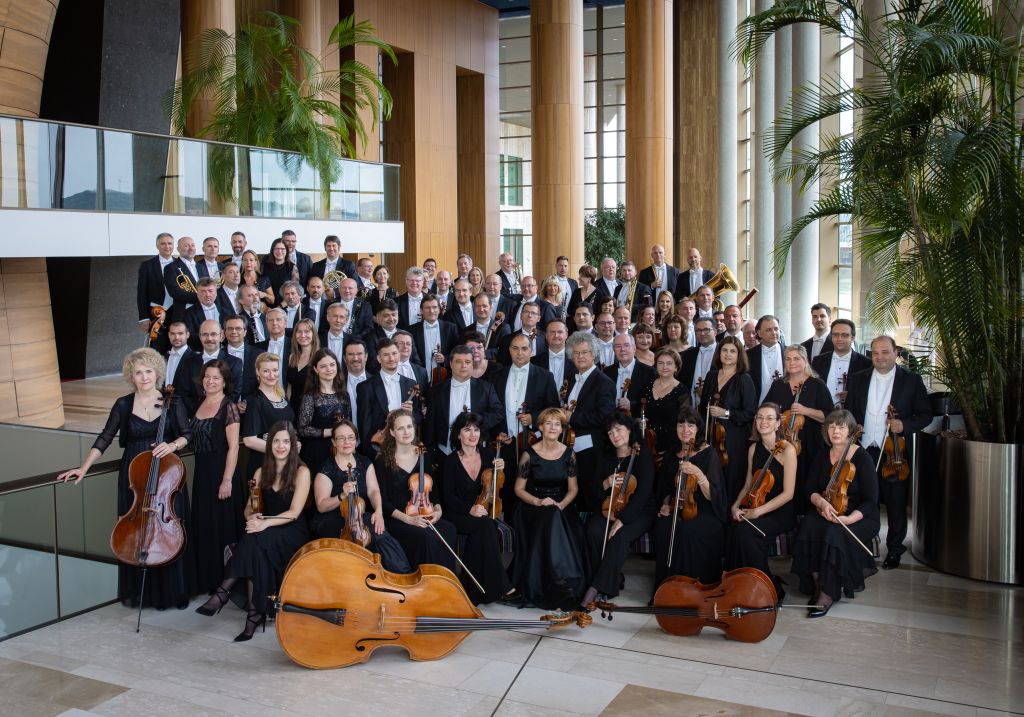
Hungarian National Philharmonic Orchestra
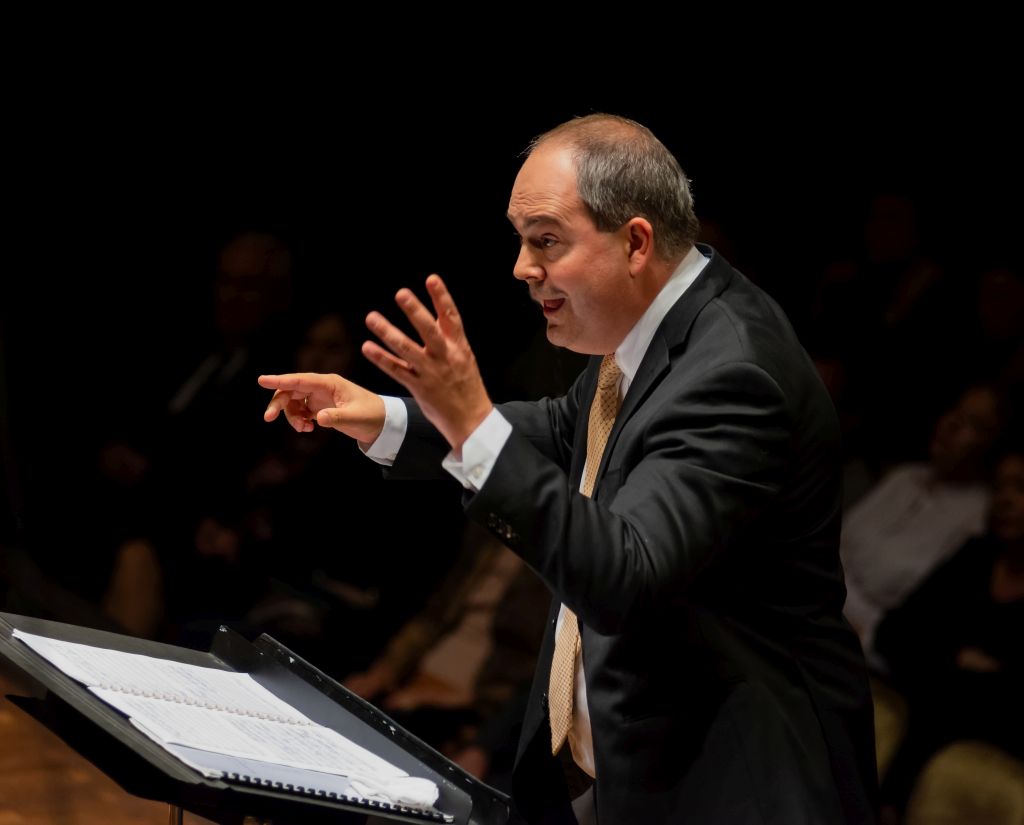
Conductor: Kálmán Záborszky, András Keller, György Vashegyi
One hundred years have passed since Hungary celebrated the fiftieth anniversary of the unification of Pest, Buda and Óbuda at the Pesti Vigadó in 1923. The ceremonial event would go on to become a much-referenced date in music history: that evening of the 19th of November saw the premieres of three works – Dohnányi’s Festival Overture, Bartók’s: Dance Suite and Kodály’s Psalmus Hungaricus – all taking place at the concert. Paying tribute to the capital’s 150th anniversary jubilee, the Hungarian National Philharmonic will repeat that same programme on the exact same date of the earlier event, and at the same venue.
Dohnányi’s Festival Overture develops three different melodies – his own composition Hungarian Credo, along with two well-known tunes: Béni Egressy’s musical setting of Mihály Vörösmarty’s Appeal and Ferenc Erkel’s of Ferenc Kölcsey’s Himnusz, the Hungarian national anthem. Originally intending to use motifs from the folk music of the peoples along the Danube in his Dance Suite, Bartók ended up omitting the Slovak melody, although he did add an Arab segment. All this expresses the composer’s beautiful concept of “the ideal of the brotherhood of peoples” through the means of music. Kodály’s Psalmus Hungaricus sets to music Mihály Kecskeméti Vég’s paraphrase of the 55th Psalm, offering for Hungarians – a few years after the Treaty of Trianon – the example of the faith in God of a man who is surrounded by enemies and oppressed. The Hungarian National Choir and Hungarian National Philharmonic Orchestra’s tenor soloist, István Horváth, has extensive experience with the oratorical repertoire in addition to his operatic work. Taking the podium in addition to György Vashegyi, the chief music director of the Hungarian National Philharmonic, will be guest conductors from two other state-run Budapest orchestras: Kálmán Záborszky of the Szent István Philharmonic and András Keller of Concerto Budapest.

A világsiker most Budapestre érkezik! Gyerekeknek álomszép kaland, felnőtteknek mélyen megérintő történet – közös családi élmény, amire még évek múlva…
Napfényben fürdő görög sziget. Mindent körbeölelő csillogó türkiz tenger. Hangulatos tavernák, ínycsiklandó étkek, mavrodaphne… Egyszerűen idilli - tökéletes felkeresni, ott…
musical Szöveg: TIM RICE Zene: ANDREW LLOYD WEBBER Hangszerelte: DAVID CULLEN Fordította: Bárány Ferenc
item(s) in basket
total:
Time limit has expired. Please, put item(s) in to basket again.